Come meet Author Dianne Kube and get your copy of “The First and Last Thanksgiving” @ her Book Signing, October 7th at the News Center in Easton, MD, from 10:00 am to 2:00 pm.
“The First and Last Thanksgiving: Embracing the Generations in Our Razzle Dazzle Family” This true story of embracing generations and holiday pandemonium will make you laugh, shed a tear, and be entertained by the antics of the “Gang of Five.” Follow their twilight years and the trials and tribulations of their concluding adventures, our special guests leave a lasting impression.
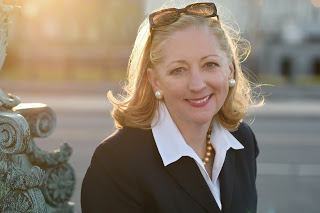
Dianne has authored briefings, presentations and speeches as well as given testimony before state and federal legislatures on various health care policy issues. Her work also led to participation in the international healthcare arena when she was asked to join a Congressional Delegation traveling to Eastern Europe to ascertain the continued health care needs of citizens affected by the fallout from the Chernobyl Nuclear Power Plant Accident, for the 20th anniversary of the occurrence. Dianne has also been a sought after speaker at numerous academic, legislative and medical industry forums in the United States and in Europe.
She is the mother of two accomplished daughters, the mother-in-law to two equally-accomplished sons-in-law, and enjoys every opportunity available to spend time with her five grandchildren. When not working or traveling she and her husband enjoy a full life living on the Chesapeake Bay.
I’m proposing a new holiday. Or rather, a new use for an old holiday. I believe that we should make Thanksgiving the day when we celebrate elder wisdom by asking older people to tell us their advice for living. Here’s why.
Occasionally, the question runs through younger people’s minds (whether they admit it or not): What are old people good for? Our society’s unremitting ageism portrays older persons as sick, frail, unproductive, and even the culprits for busting the federal budget.
Earlier retirement and increased residential separation of older people has broken age-old contacts between the generations. Indeed, our society has become extraordinarily segregated by age, such that young people’s contact with elders is almost exclusively within the family (and even that is limited). Combined with the persistently negative images in the media, this question - What good are old people? - lurks in the background.
But the answer is amazingly simple. For as long as humans have been humans, older people have played critically important roles as advice-givers. Indeed, anthropological research shows that survival in pre-literate societies was dependent on the knowledge of the oldest members. It’s easy to forget that it is only in the past 100 years or so that people have turned to anyone other than the oldest person they knew to solve life’s problems.
Now here’s the important point: Old people are still a unique source of advice for living for younger people. And we need to tap this source much more vigorously than we are currently doing — both for young people’s sake and that of our elders. That’s why I’m proposing that we make learning elder wisdom a part of our families’ Thanksgiving holiday.
We often do ask our elders to tell their life stories. But that activity is very different from asking their advice. You don’t just want their reminiscences; what’s truly valuable are the lessons they learned from their experience and that they wish to pass on to younger generations.
Now for the holiday. Thanksgiving is something most Americans celebrate, regardless of religious persuasion. And it’s the one time in the year when families are most likely to gather — and include their older relatives. What if we all take a half hour (okay, it can be before or after the football game) to consult our elders about their lessons for living?
Your children are the best ones to start this conversation and they can ask questions that are highly relevant to them. Is Sammy concerned about bullying? Some elders (especially immigrants) were ferociously bullied as children. Is Pat concerned about finding the right partner? You have elders who have long experience in relationships, but who are rarely asked for their advice about them. Are your college kids worried about the job market? If so, how about advice from people who went through the Great Depression?
Remember that this is different from asking Grandpa “What did you do in World War II?” or Grandma “What was life like in the Depression?” The goal is to genuinely and interestedly ask for advice: “What lessons for living did you learn from those experiences?” Taking this approach elevates the role of elders to what they have been through most of the human experience: counselors and advisers to the less-experienced young.
Give it a try on Thanksgiving (and let me know how it went!). Here are some questions to get you started; it can help to send these in advance to your elders so they can ponder them a bit. We’ve used these questions in interviews with hundreds of elders in theLegacy Project, and they work very well). More information is available in thebook 30 Lessons for Living.
So let’s declare Thanksgiving (or a part of it) Elder Advice-Giving Day. Our elders won’t be here forever, so this year is a good time to start!
Questions for the elders:
What are some of the most important lessons you feel you have learned over the course of your life?
Some people say that they have had difficult or stressful experiences but they have learned important lessons from them. Is that true for you? Can you give examples of what you learned?
As you look back over your life, do you see any “turning points”; that is, a key event or experience that changed over the course of your life or set you on a different track?
What’s the secret to a happy marriage?
What are some of the important choices or decisions you made that you have learned from?
What would you say you know now about living a happy and successful life that you didn’t know when you were twenty?
What would you say are the major values or principles that you live by?
“Weak”, “sick”, “immobile”, “decrepit”, “lonely”, “depressed”. If the prospect of growing old brings thoughts like these to mind, you are not alone. It seems that many people – of all age groups – have a preconceived idea of what being old will be like. And it’s generally not good.
These negative perceptions of ageing are hugely problematic. They can support ageist attitudes, negatively impact on relationships with older adults and cause a deep anxiety about the future. So how do we find ourselves in a position where the later chapters of our life can often feel like a foregone conclusion of deterioration and misery?
The images of ageing that are encountered on a daily basis go some way to explain. Adverts, birthday cards, health information leaflets, even road signs all provide us with clues and cues as to what growing older apparently entails.
We read news stories warning of the burden that “baby boomers” are placing on pension reforms and already stretched healthcare systems. Stereotypical images are widespread, showing the empty, haunted eyes of the Alzheimer’s patient, or the solitary, lonely figure who sits in the window gazing out wistfully. Loneliness, poverty, neglect and abuse. It’s all there. And these are real issues which need attention and resolutions.
But what’s also needed is much greater acknowledgement and awareness of the diverse ways that people can, and do, grow older. As wise, experienced and knowledgeable elders, volunteering, caring, running marathons, travelling, mentoring, creating, falling in love, pursuing new hobbies and continuing with old ones.
It’s a long list and one that reflects a shift in what can be expected from a now extended middle age (or “third age”), particularly in Western societies. As those birthday cards remind us, “60 is the new 40”.
When it comes to running marathons – and less arduous sporting goals – our research shows clearly that physical activity – walking, swimming, cycling, bowls – can have positive influences on people’s experiences of ageing. It has also shown how physically active older adults can challenge other people’s negative perceptions of ageing.
How exactly does this happen? One way is via the “shock factor”, encountered when we see or hear about the older body doing something unexpected. This is an intention of professional photographer Alex Rotas with her images of masters (or veteran) athletes.
Hildegund Buerkle, born 1934, setting a new European Record for the women’s 100m sprint in her age band, 2014.Alex Rotas
Then there is the work that veteran athletes themselves might do. Research with mature natural (drug-free) bodybuilders has demonstrated the different ways that these older adults use their hyper-muscular physiques to resist stereotypical images of frailty and deep seated ideas about age appropriate behaviour.
This sporting life
Of course, people do not need to notch up a list of completed marathons or start pumping iron to loosen the hold of negative stereotypes.
Emphasising the many different feelings of pleasure that being physically active can evoke – be it the “exhilaration” of zooming downhill on a bike, cake and coffee with fellow swimmers after a dip in the pool, or the process of documenting a favourite walk – can move discussions of older bodies within the context of physical activity, beyond the current fixation on disease and illness.
In a similar vein, we might stress how in certain physical activity settings (the culture of Parkrun being a perfect example), growing older can bring a sense of liberation. An ability to care a little less about identities developed (or indeed imposed) long ago around “not being the sporty type” and give something new a try.
Rethinking this life stage as a time where new skills, whatever they are, can be learned is helpful. It shifts the focus from loss to ideas of growth, interest, experience and wisdom.
All this is not to champion sport and physical activity – nor those who engage in it – as the cure for all real and perceived social ills that accompany growing older in the 21st century. Being physically active in older age can bring feelings of fulfilment to the lives of many who engage in its numerous forms. It can also act as a site for social change by enabling negative stereotypes of ageing to be challenged.
But to think about how sport and physical activity can impact upon perceptions and experiences of ageing, is to create and support lifelong opportunities. It is not to pursue a new template for “ageing well”, where those who don’t (or won’t) conform are less valued.
Striving for different ways of thinking about a life stage involves celebrating diversity, not replacing one damaging story with another.
While there is some small comfort in knowing that the pressures you feel are shared by many others, the bottom line to this very personal matter is simple: finding the time and services that can help make your life and the lives of your aging parents a little easier. As you care for your elder (either living with you or still in their own home); find the balance you need each day to continue to provide great care for your loved one and yourself.
1. Plan for winter safety
This is a time when caregivers' concerns accelerate as their loved ones are negotiating the challenges of another winter. Consider doing the following:
Fall prevention– inside and out. Remove scatter rugs and secure handrails at all entrances of the house.
Be sure your elderly parents have the proper snow shoes or boots when walking outside.
Arrange for snow removal of driveway, walkway and don't forget the mailbox that's located away from the house.
Adequate heating – you can arrrange for automatic delivery of heating oil (elders have priority for reinstatement of electricity if the power goes out).
If yourelderly parent is still driving, check to see if the car is set with an overall winter protection (e.g. oil change, tires, battery, blankets, water, AAA membership). It is also a good time to reassess if your aging parent should still be driving.
2. Ensure emotional well-being
The first of the year is when the blues are very prevalent with the let down of the holiday as the family returns home, sunshine is rare in many places and getting out every day can be a challenge. You can help your parents by:
Making sure they're getting some exercise (walking in a mall, neighborhood, exercises at a local senior center.)
Checking B-12 (if low, it could impact memory), Vitamin D, and thyroid levels.
Scheduling a weekly event they can look forward to (a movie, dinner out, or a visit by you or a friend).
3. Plan ahead for doctors' appointments
If you're unable to assist your loved one, make arrangements with a sibling, friend, aide or neighbor. Afterwards, have them communicate to you the doctors' feedback and next steps. Some communities have transportation services for the elderly. Check with your Area Agency on Aging.
4. Ask for help when you need it
Know that you don't have to do it all. -- whether it's taking your loved one to a doctor's appointment, concerned about what to do next or just feeling overwhelmed. Know there are many resources to support your care-giving needs through websites, books and groups.
5. Seek family support
Maintaining open communications with immediate family members and siblings gives you a chance to ask for help with various tasks. Plan a weekly check-in with friends and relatives to update them on your elderly parents condition (AgingCare has a new online tool to help you accomplish this) and get the help you need, reducing your care-giving workload and alleviating some stress.
6. Reassess your elderly parent's situation
This is a good time to take an inventory of their overall health, financial picture, and living needs. Now is the time to begin compiling a to-do list to be implemented over a period of time. Medical information should include your loved one's health conditions, prescriptions and their doctor's names and contact numbers. A financial list should contain property ownership and debts, income and expenses, and bank account and credit card information. You should also have access to all of your parent(s) vital documents that could include their will, power of attorney, birth certificate, social security number, insurance policies, deed to their home, and driver's license.
7. Hire an elder care professional
First and foremost, always remember why you are assisting your parent(s) and know that you are doing the best that you know how by providing your love, patience and support. Don't be afraid to ask for help, as it may be time to contact an elder care consultant who will make caregiving easier for you. An elder care consultant will provide tools and resources to develop a personal plan that outlines manageable next steps to ensure the best possible care. Be certain to look for an elder care consultant who partners with an extensive group of trusted advisors (geriatric care managers, home care specialists, living facility directors, visiting nurses, financial planners and elder law attorneys) to provide you with comprehensive planning solutions and services well beyond your loved one's medical needs -- as well as peace of mind.
8. Schedule fun time for yourself on a regular basis
You need something to look forward to – whether it's time with a good friend or spouse, a weekend away, a family game night or just being alone.
9. Take good care of yourself
Before anyone else, you need to take care of yourself first. Eat well; get some exercise; get enough sleep; and be sure you're also getting your annual physicals. It's not an indulgence – it's a necessity!
10. Let go of the caregiver guilt
There's no room or energy for any guilt. You're no longer a child but an adult trying to care for an aging parent while still trying to have your own life. Remember, your parent was able to live their life and it is okay to want to do the same. Know that you're doing the best you can in caring for them.
Gail M. Samaha is the founder of GMS Associates. She is a successful management consultant who from her own personal experience along with her background as a hospice volunteer and 30 years of business management, created an elder care planning division for elders and caregivers and trusted advisors.
The demands on a person who is taking care of elderly parents result in a great deal of stress. If caregivers aren't careful, they jeopardize their own health and well-being.
A study of family caregivers found that those who experience care-giving related stress have a 63% higher mortality rate than non-caregivers of the same age. There are several reasons why stress occurs, such as working too much, not sleeping enough, having to deal with family and work at the same time, and not having as many hours in the day as you need to take care of yourself.
Remember you can't care for your loved one if you are ill yourself. The first step in dealing with caregiver stress is to recognize the signs. Then, you can find ways to deal with it and enlist support or medical help when needed.
10 Signs of Caregiver Stress
Depression. Symptoms include constant sadness, feelings of hopelessness and increased crying.
Withdrawal. This can occur if you are depressed. You may not wish to see family and friends. You may stop taking part in things you used to enjoy.
Anxiety. You may feel anxious to get things done or you may feel that you don't have enough time, or about facing another day and what the future holds.
Anger. You may start yelling at your loved one more, or have difficulty controlling your temper with other people. Caregivers often become angry at their loved one because they are sacrificing their own lives to care for them. Feeling angry at family members for not helping is also common.
Loss of concentration. You are constantly thinking about your loved one and everything that you need to do. As a result, you have difficulty concentrating at home or at work.
Changes in eating habits. This results in weight gain or loss, as well as increased illness.
Insomnia. You may feel tired, but cannot sleep. Or, you may not feel tired even if your body is tired. You also may wake up in the middle of the night or have nightmares and stressful dreams.
Exhaustion. If you frequently wake up feeling you can't get out of bed despite a good night's sleep, you're in distress.
Drinking or smoking. You may find that you are drinking or smoking more. Or, you start drinking or smoking when you haven't in the past.
Health problems. You may catch colds or the flu more often than usual. This is particularly common in caregivers who do not take care of themselves, by not eating properly and exercising.
14 Strategies for Controlling Your Stress
Userespite and healthcare resourcesavailable to you. Taking a break, and ensuring your loved one is well cared for is one of the best ways to reduce stress.
If you needfinancial help, don't be afraid to ask family members to contribute their fair share.
Say "no" to requests that are draining and stressful, such as hosting holiday meals.
Forgive yourself for your imperfections. There is no such thing as a "perfect" caregiver.
Identify what you can and cannot change. You may not be able to change someone else's behavior, but you can change the way that you react to it.
Set realistic goals. Break large tasks into smaller steps that you can do one at a time.
Prioritize, make lists, and establish a daily routine.
Keep in touch with family and friends and make time for yourself.
Join a support group for caregivers. If your loved one has a particular affliction, such as Alzheimer's or dementia, look for a support group targeted at that disease.
Make time to be physically active on most days, even if it's a short walk. Eat a healthy well-balanced diet and get enough sleep.
See your doctor regularly for checkups.
Keep your sense of humor and practice positive thinking.
Find out about care-giving resources in your community. Your Area Agency on Aging is a great, free resource.
If you work outside the home, consider taking a break from your job. Employees covered under the federal Family and Medical Leave Act may be able to take up to 12 weeks of unpaid leave per year to care for relatives.
Embracing the Generations in Our Razzle Dazzle Family!
Buy Now at:
About the Author
Dianne Kube
Dianne Kube, a special events and political consultant, has been on the front lines of presidential campaigns and is no stranger to Capitol Hill. Prior to her current role, with an extensive background in medical administration, Dianne advanced in her career over numerous years to eventually become the Chief Administrative Officer of a grassroots organization representing community-based cancer centers and their patients across the United States. She and a team of medical oncology professionals worked directly with Congressional Members of both political parties to develop policy changes for the Medicare Modernization Act (MMA), with the goal of protecting the quality and affordability of cancer care for all patients. Dianne has authored briefings, presentations and speeches as well as given testimony before state and federal legislatures on various healthcare policy issues. Her work also led to participation in the international healthcare arena when she was asked to join a Congressional Delegation traveling to Eastern Europe to ascertain the continued healthcare needs of citizens affected by the fallout from the Chernobyl Nuclear Power Plant Accident, for the 20th anniversary of the occurrence. Dianne has also been a sought after speaker at numerous academic, legislative and medical industry forums in the United States and in Europe. She is the mother of two accomplished daughters, the mother-in-law to two equally-accomplished sons-in-law, and enjoys every opportunity available to spend time with her five grandchildren. When not working or traveling she and her husband enjoy a full life living on the Chesapeake Bay.



 Striving for different ways of thinking about a life stage involves celebrating diversity, not replacing one damaging story with another.


